High Protein Oatmeal

Intro

This high protein oatmeal recipe makes a hearty complete breakfast in a single bowl. It is easily prepared on the fly, or in advance for folks doing meal prepping. The oats can easily be scaled up or down to fit macro requirements. With Old Fashioned Oats, always use double the liquid to the amount of oats.
Ingredients

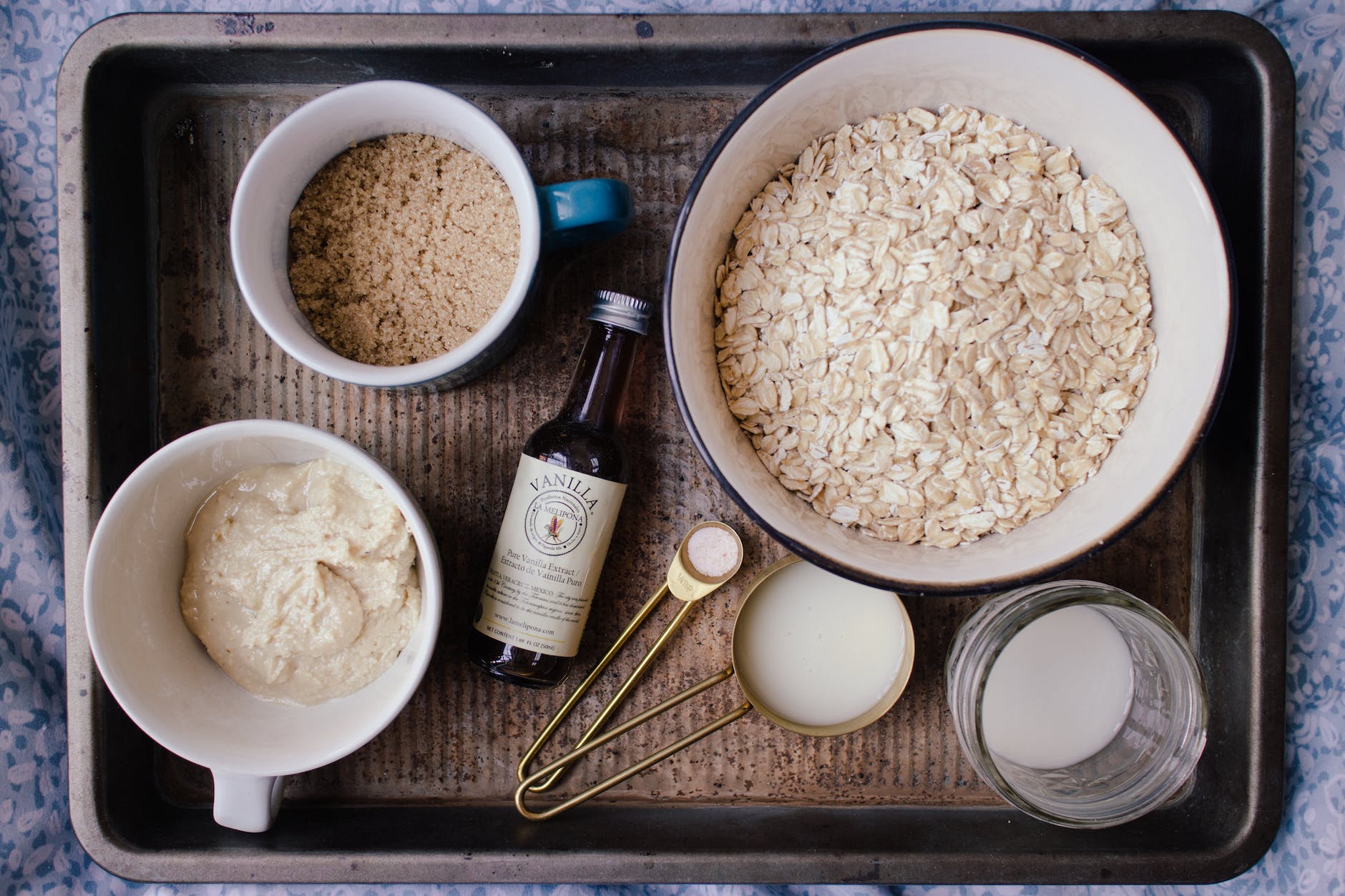
1/2 Cup Old Fashioned Oats

1 Scoop Whey Protein

1 Cup of Water

Bowl of High Protein Oatmeal that costs less than 2 dollars to make
Photo by Monserrat Soldu00fa on Pexels.com

Preparation

Option 1 – Instant Oats

Mix 1/2 Cup Old Fashioned Oats with 1 Cup of Water and Microwave for 2-3 Minutes. Remove oats from microwave and add 1 scoop of whey protein.

Option 2 – Overnight Oats

Mix protein and water in shaker bottle, until well incorporated. Add oats to mixture and place in refrigerator overnight. The oatmeal will soak up the water and they will be ready to eat in the morning.

Nutritional Overview

330 Calories

35 Grams of Protein

27 Grams of Carbs

9 Grams of Fat

Cost as Written ~$1.24

Additional Tips

Scale the oats as needed to hit your necessary carb goals. Additional fats can be added by using 1 tbsp of peanut butter, but this will add about 90 calories. You can also substitute milk for water. This will increase the protein, but also the fats and carbs depending on what kind of milk you use.

With the instant cook options, I like to add some raw apple before it goes in the microwave, then a sprinkle of cinnamon before I add the protein. Be sure to add the protein after the oats are cooked. If you add it before, the whole things becomes a clumpy weird mess.

The most expensive part of this recipe is the protein. This was priced using Equate (Walmart Store Brand) protein powder. I have also linked to some of the cheapest stuff I can find, which I think actually brings the price down a little bit. Using a more expensive protein is going to drive the price up, and honestly, not add anything to the macros. Some more expensive proteins taste a little better, but that’s about the only difference I’ve found. One additional substitution you could make is for casein protein instead of whey. Casein will give you a thicker end product, and the protein will digest more slowly. This could be beneficial if you use this recipe as an even snack or if there is a long gap until your next meal.
Adapting Your Nutritional Goals To Every Day Eating

Many people struggle to fit performance-based nutrition into their every day lives because it looks so different from how they’ve eaten in the past, or how their friends and family eat. Eating culture plays a big role in how successful you will be in integrating a new diet, regardless of your goals. The trick is to adapt slowly, and always look for areas of improvement, without beating yourself up about not being perfect. The best nutrition program is the one you stick to consistently. (PS – if you’re not sure where to start – read the article on Nutrition Basics.)

Start with the Ideal

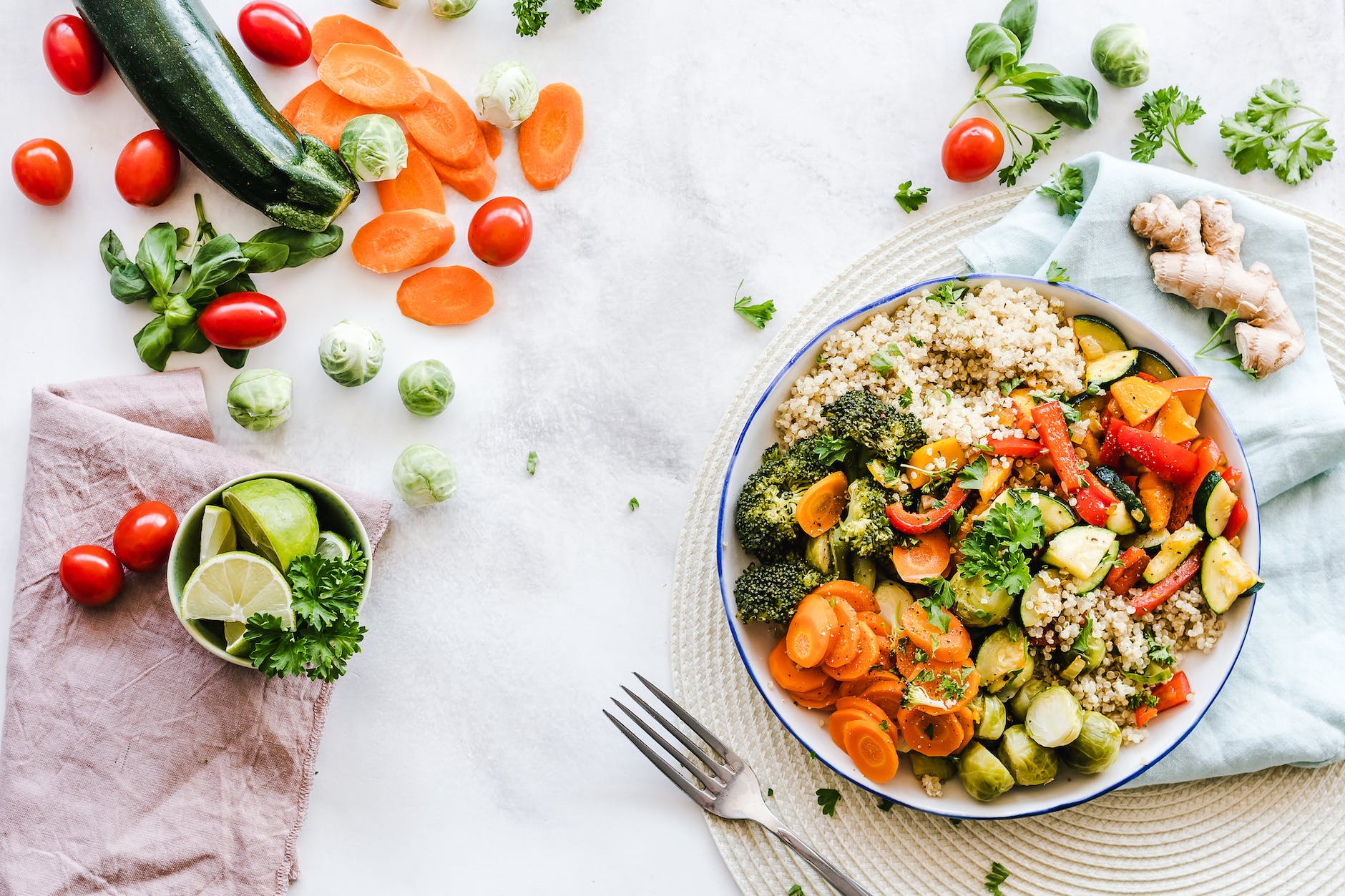
If you haven’t checked out The Performance Plate already, I encourage you to give it a look. This guide represents an idealized version of how to prioritize putting food on your plate, but honestly, it is not sustainable for many people. However, you can still apply the principles regardless of the food available in any given situation. You just have to understand how certain foods fit into your personal protein, fat, and carb goals, and strive for the proper balance. (Need to figure out your goals? Check out the Calculators Page)

Photo by Ella Olsson on Pexels.com

Looks delicious, but good luck eating that every day

A Real World Example

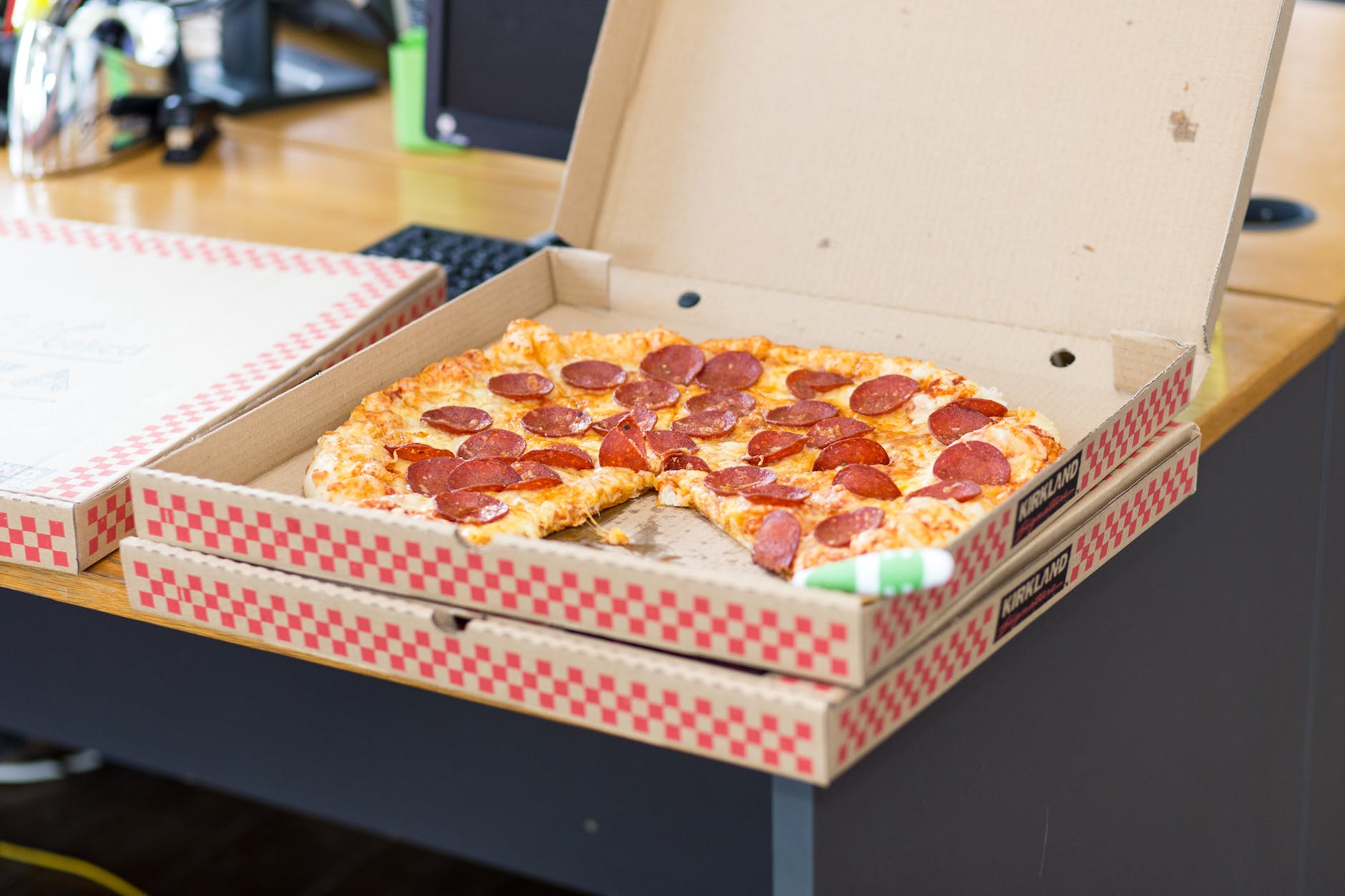
Let’s look at an example – a Super Bowl Party. You could bring your own Tupperware container of prepped food, and avoid the provided spread. Some people have the self control for this, many do not. What I prefer to do, is adapt the Performance Plate model to the available foods. I might put chicken wings on my plate first to make sure that I am hitting my protein goal. I will load up on veggies and dip. Yes, I actually eat the celery that comes with an order of wings. And finally, I can finish off my plate with some carbs. If I am feeling good this could be some crackers, but more likely for me, it will be a cookie or a slice of pizza. By loading my protein and vegetables first, I don’t have the appetite for multiple slices of pizza, which will be laden with extra fats and salt.

Photo by Pixabay on Pexels.com

Technically pepperoni count as protein, but trust me, it ain’t enough.

A Few Extra Tips

When you are first getting started, you can use this method for many food situations. Commonly available protein sources to start your meal might include eggs, a glass of milk or a protein shake, or a cup of yogurt. If fresh vegetables aren’t available, check for fruit. Many coffee shops and even gas stations will have a basket of apples, oranges, or bananas. Eat carbohydrates in proportion to your activities. Pre-made foods will often contain enough fats, that you don’t have to worry about adding extra. But something inherently fatty (like doughnuts) could take up the entire fat portion of a meal, so be wary of adding butter or sauces on top of that.

Key Takeaways

  • Small changes are better than no changes
  • Load up on proteins and veggies first to fill your plate and leave less room for indulgences
  • Indulge! In Moderation

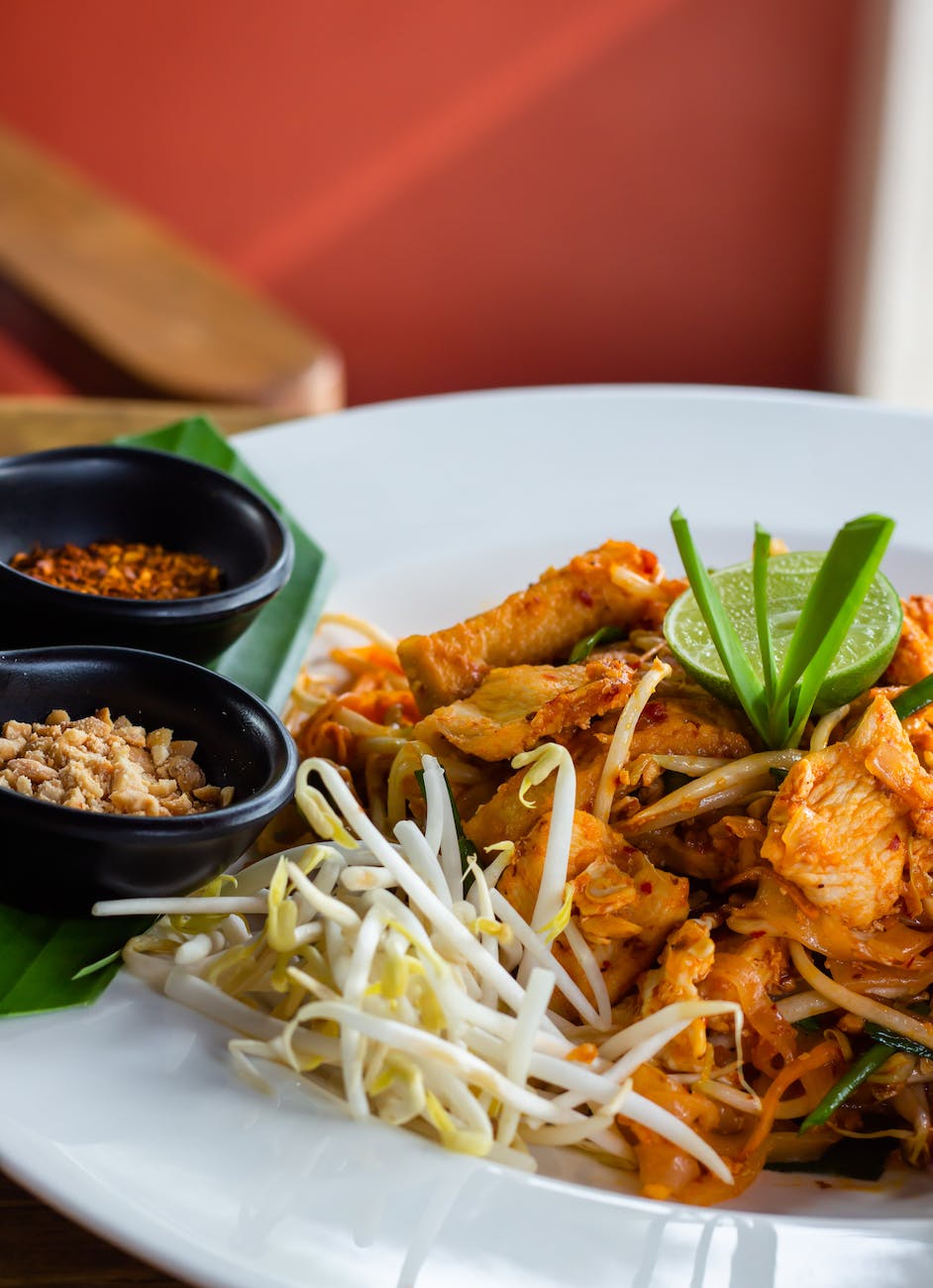
Ramen Pad Thai

1 Packet of Ramen Noodles

10 oz raw chicken thighs

2 TBSP Peanut Butter

2 TBSP Low Sodium Teriyaki or Soy Sauce

1 Cup Stir Fry Vegetables

A Splash of Milk

Photo by Augustinus Martinus Noppu00e9 on Pexels.com

Use a deep non stick skillet and add cubed chicken, and 2 cups of water. Bring water to a boil and let the chicken cook. Add noodles only from Ramen packet and vegetables. Throw away the seasoning. When noodles are cooked, drain, leaving a little water in the pan.

In a separate sauce pan head up the peanut butter, soy sauce, optional hot sauce, and milk. Stir until well incorporated. Incorporate peanut sauce with noodles and chicken.

Makes 2 servings

The cost of this meal is about 1.35 per serving. 36P/34C/24F

Quick Turkey Sausage

This recipe is a great healthy addition to breakfasts. Make it a pound at a time and eat it for the week. Separate patties with freezer paper and store in a freezer bag.

1 Lb Ground Turkey

1 TBSP Ground Sage

1 TBSP Garlic Powder

Salt and Pepper to Taste

Optional:

Cayenne or Crushed Red Pepper Flakes

Mix all ingredients in a bowl. Form into golf ball sized patties (2 oz each) and flatten. Cook in a skillet to 165 degrees. Makes 8 sausage patties.

Holiday Eating

The holidays can be a tough time not only to stick to a meal plan, but also to stick to a budget. Remember to prioritize protein on your plate first, then non starchy vegetables, next starchy vegetables, and finally breads. There is no need to deny yourself any holiday foods, just remember the hierarchy and you will end up with a healthy and filling meal.

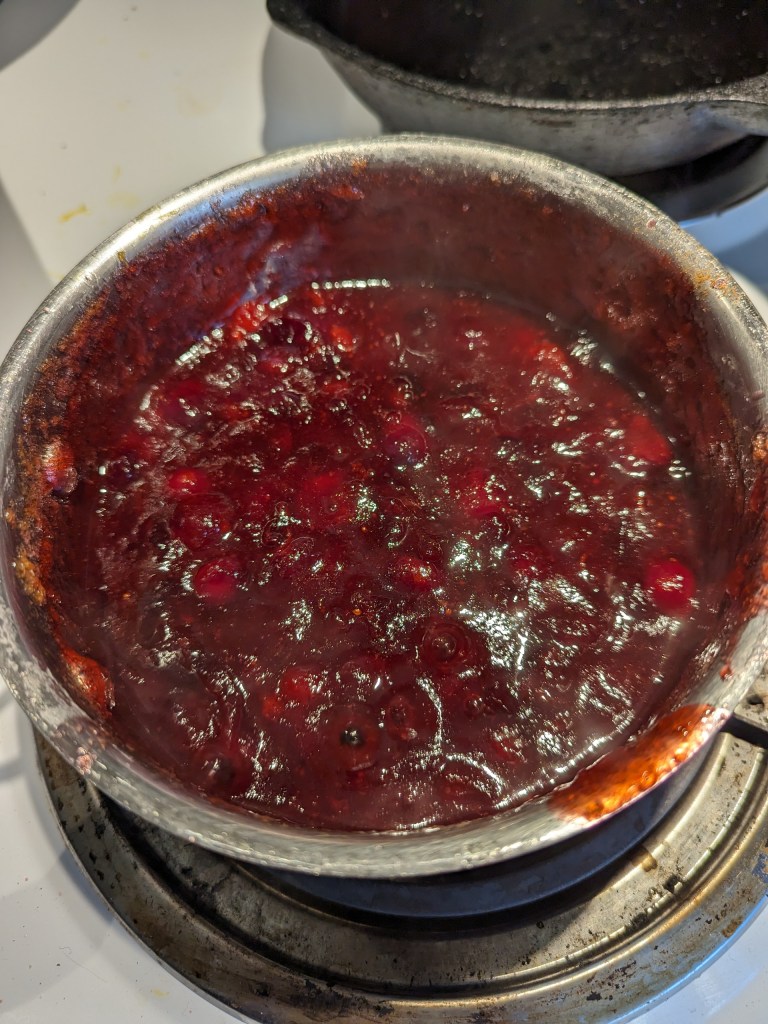
Check out our Holiday Shopping List that will get you a week’s worth of meals for around 40 dollars. The shopping list includes all of the ingredients for a delicious cranberry sauce. No more can shaped blob.

  • 1 Lb of Cranberries
  • 1 Cup of Sugar
  • Juice of 3 Mandarin Oranges

Heat ingredients in a sauce pan on medium until sugar is melted and cranberries all pop. Serve warm or cold. Put extra in a mason jar and use as jelly for your morning toast for the week.