We see it everywhere. High protein this, high protein that. But is it REALLY high protein? What does that even mean and why is it important?
The Rule of 10
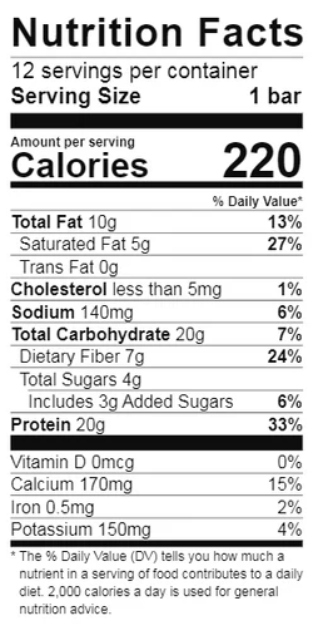
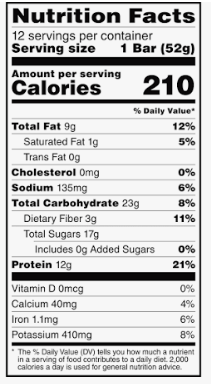
One way that you can make a quick determination is using the Rule of 10. For every 10 calories that a product has, it should have 1 gram of protein to be considered a “good source of protein”. Let’s look at some examples:
Snickers High Protein vs RX Protein Bar
Snickers
RX Protein Bar
When we look at the numbers the Snickers High Protein is 220 Calories and the RX Protein Bar is 210 Calories. I would ideally want both of these to have 20-25 grams of protein. The Snickers High Protein Bar blows the RX bar out of the water with nearly double the protein. and coming much closer to our target 10:1 ratio.
So many people do not know where to get started with meal prepping. How do I eat that much protein? Do I have to eat the same thing every day? Am I going to spend all day Sunday cooking just to be eating stale rice by the end of the week? Is it going to be expensive? Don’t worry – you don’t need to be a professional chef to hit your macros and have a good amount of variety in your diet. So let’s dive in!
Step 1: Planning
I like to plan my meals for the week. I tend to have less variety with breakfast and lunch and really put my efforts into planning good dinners. The leftovers from dinner can be eaten for lunch the next day or repurposed into new meals. You might also find that there are a lot of meals that contain many of the same ingredients, but the main difference is seasonings or sauces. Use this to your advantage in meal planning. This also leads to the next step.
Step 2: Prep Ingredients – Not Meals
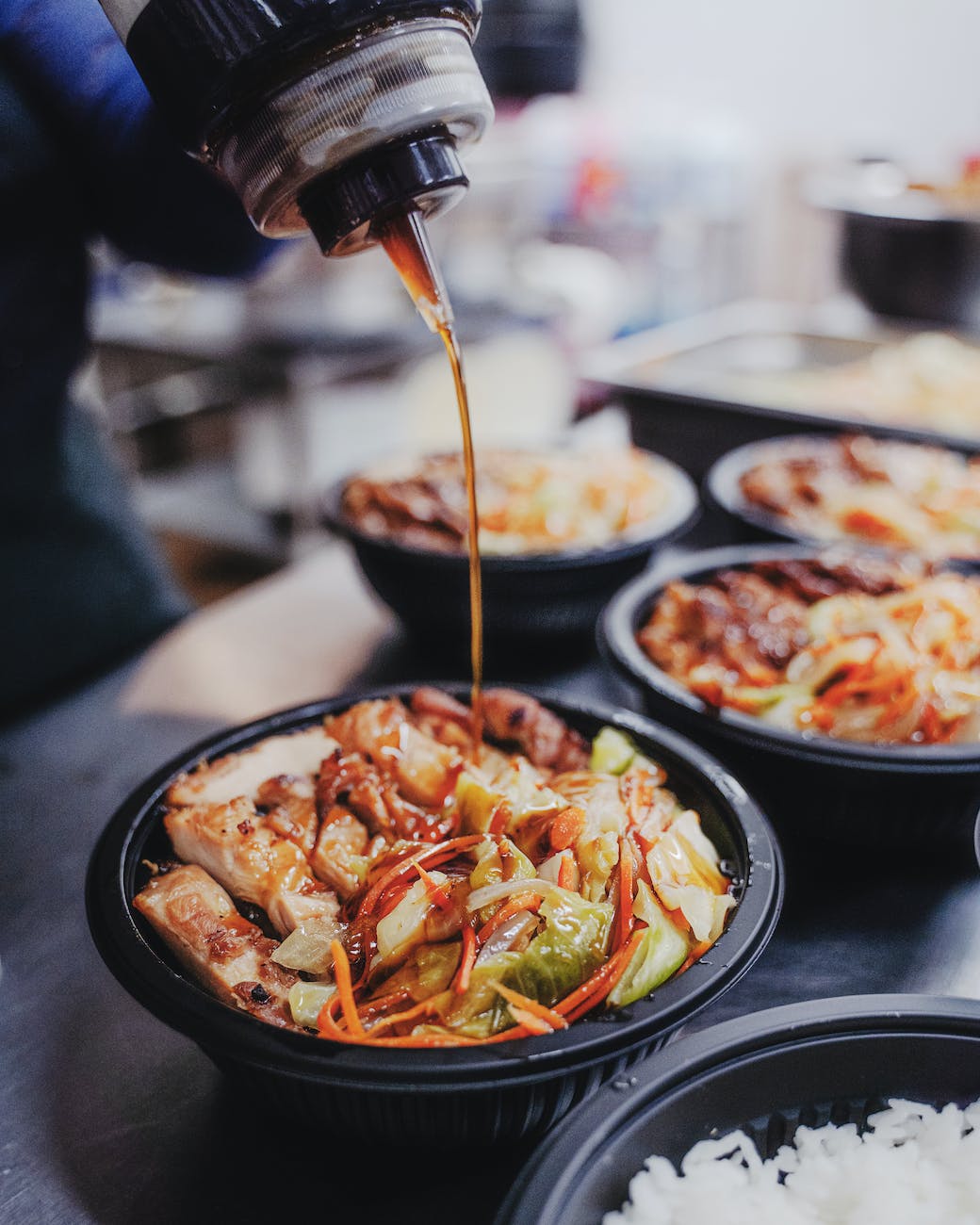
Prep ingredients without sauces and seasonings when possible. This will give you the biggest opportunity to inject some variety. Today’s Chicken Teriyaki can be tomorrow’s burrito bowl with a little bit of forethought. I also like to put a “grab bag” meal at the end of the week. My go to is Jambalaya. You can take all of your leftover meat, rice, and veggies, add some Cajun seasoning and end up with a delicious end of the week meal and not have to worry about the odds and ends of leftovers that you generate through the week.
Quick Tip – Don’t stress too much about measuring
Your nutritional clock doesn’t reset every 24 hours. When you look at a meal plan and start to add things up – you might say “I need 35 ounces of chicken breast for the week”. Can you buy 35 oz of chicken breast? Can you measure it into exactly 5 ounce servings? The goal is to have a mental check on averages. If you are half an ounce over or under on any given day, it’s okay. It will all average out. Just make sure that you aren’t consistently over or consistently under. A little bit of mindfulness goes a long way.
Step 3: Prep for a couple of days at a time
If you make a giant pot of rice and try to reuse it all week – it gets gross sooner than you’d like. I tend to bundle things together so that I’m only using the same ingredients for 2 or 3 days.
Quick Tip: Buy Frozen Produce
One other issue with meal prep is keeping a lot of fresh produce on hand that can go bad, especially after it is prepped. Also, people with time constraints might find prepping and cooking fresh produce time consuming. I tend to buy frozen produce. It can be microwaved or roasted, it is easy to buy bundles of vegetables that are pre-seasoned. And you can even get some bundled with frozen rice which again – avoids the issue of stale ingredients.
Step 4: Find add ins to adapt
Meal plans, especially ones you get from the internet, are not one sized fits all. They need modified. For scaling down – scale down carbs. You might not need a full serving of rice or pasta. For scaling up – add snacks and sides. My go to snacks are rice cakes with peanut butter, adding fruit to yogurt or a protein shake to make it a smoothie, and club crackers. For scaling up protein – just add a few more ounces of meat. If you are cutting, you’ll need to adapt as you lose more weight. The easiest way is to just start trimming out your add-ins. I trim out most calorie dense to least calorie dense. So peanut butter goes first, then pasta and rice, and finally fruits. Lunches include an apple and some carrot sticks, which can also be scaled up or down depending on your individual needs.
A Sample Meal Plan
Here is an example of a sample meal plan that is pretty similar to the one that I follow myself. You might notice that certain ingredients pop up on consecutive days. Once you get the hang of things you don’t have to plan even with this much detail. You’ll get an idea of the ingredients, and have a cupboard stocked with spices to change up just about any cuisine. Each of these meals is under 500 calories and has 35 to 40 grams of protein. I’ve included links to purchase all of the ingredients to make this whole week of food for around 200 dollars from Amazon. As always, you can get everything cheaper from a discount grocery store such as Aldi or Walmart.
The recipe contains individual ingredients, but for our quick meal prepped version, I will sometimes just get a frozen mix that contains rice, beans, onions, and seasonings. Add extra seasonings to taste. You can substitute the turkey with lean beef (95% lean) or chicken breast. Serve over rice, tortilla chips, or a low carb wrap.
Heat skillet with a little cooking oil on stove top on Medium
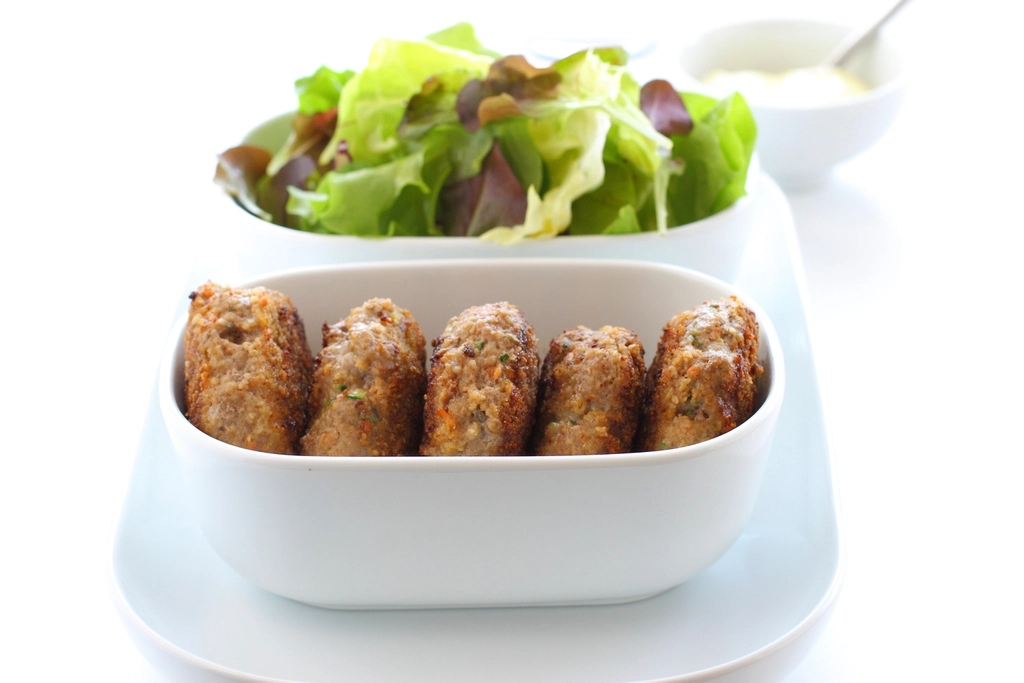
Mix Turkey, Lamb Seasoning, Mint Leaves, Salt and Pepper in a bowl. Knead until well mixed. Make balls slightly smaller than a golf ball. Put balls in pan and cover. Rotate every 2-3 minutes until golden brown on all sides and internal temperature reads 165. Remove from pan and add vegetables directly to hot pan. Sautee until heated through.
In a separate bowl mix sour cream and garlic powder with a little salt and pepper. Pour over meatballs and vegetables.
Optional: Serve with rice. For Mediterranean recipes I like to sprinkle the rice with cinnamon.
Final Thoughts
If you read this and want to know more about the thought process that went into it’s creation, then check out the Nutrition Basics Page. And stop by the Max Value Nutrition Home Page for more articles, recipes, and more helpful information. There is also a more budget friendly starter meal plan available here! The pricing was calculated using a discount grocery store (Aldi or Walmart). Many of the ingredients are the same. Stocking your kitchen with some of the basics below can get you a lot of variety and nutrition with fairly minimal food prep effort.
Today’s question came courtesy of Reddit. I am going to make the following assumptions about the author 1) they are trying to bulk and 2) their main value driver is time. So the question I am going to answer is how can we maximize protein (and overall nutrition) with minimal meal prep! Let’s dive in!
First Let’s Talk About GOMAD
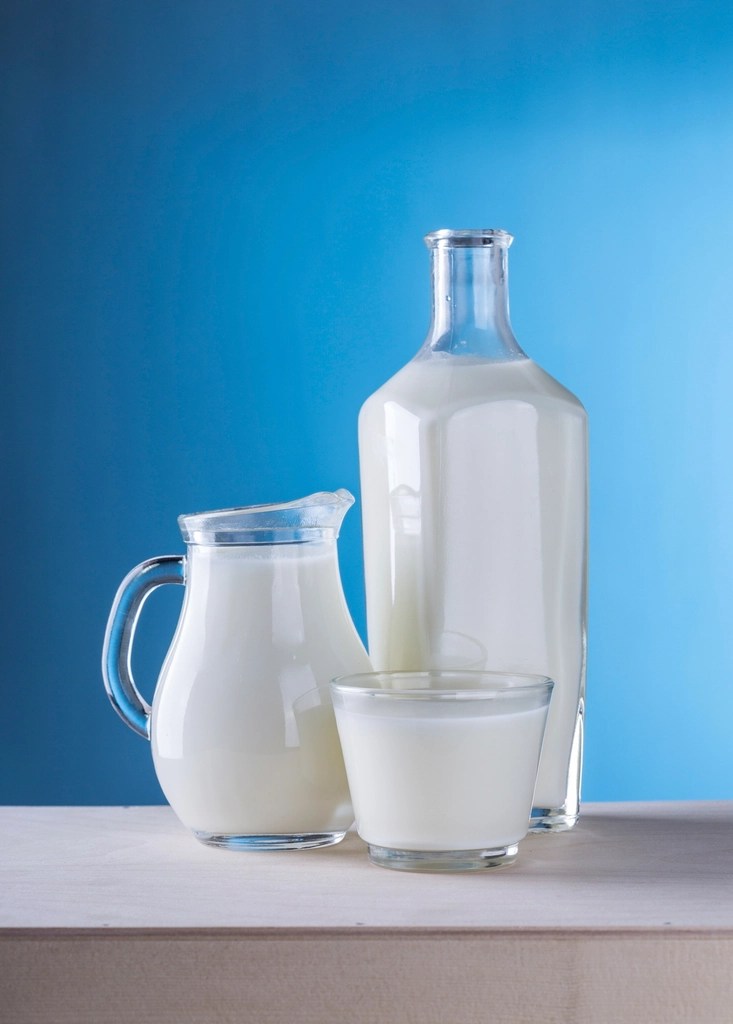
GOMAD stands for Gallon of Milk A Day. It is a hotly contested bulking strategy. A lot of people will add the gallon of milk on top of other meals. This will give you an extra ~160 grams of protein a day, and about 2000 calories. A 2000 calorie excess adds up to a whopping 4 lbs of mass added per week. Unfortunately, as the original poster noted, it can have some side effects. Milk can be difficult for many folks to digest, and even people who don’t have issues normally can experience some difficulties when consuming such large amounts of milk.
The other important thing is making sure that you actually put all those extra calories to use. If you choose to minimally supplement your gallon of milk (say a gallon of milk plus 500 calories of other foods), you are probably not getting a full nutrition profile. The tricky premise that GOMAD is based off of is that babies get all of their nutrients from milk and experience exponential growth in their first year(s) of life. The part that they leave out is that human milk is loaded with the nutrients that the mom consumes from other sources. Research shows that there is actually a feedback loop between mom and baby that adjusts the nutrients to match the baby’s needs. Basically – all milks are not equal. Also, as we grow, our digestive systems mature and allow us to get nutrients directly from foods. Finally, if you have ever changed a baby’s diaper, you also understand more about the digestive impacts of having a primarily milk based diet.
So what are the alternatives?
If drinking a gallon of milk a day is off the table, what do we have left? Literally – almost anything else. But let’s plan out a week of low prep meals and see how we do nutritionally and and cost-wise.
I went with 2 options for breakfasts and lunches. Dinner has some opportunity for variety depending on which veggies you purchase.
Breakfast
Breakfast 1
2 Hardboiled Eggs, a Tortilla Shell, and a Protein Shake made with Ultrafiltered Milk
Protein
Carbs
Fat
54
30
13
Nutrients in Breakfast 1
Breakfast 2
Overnight Oats made with Protein and Ultrafiltered Milk
Protein
Carbs
Fat
45
25
2
Nutrients for Breakfast 2
Lunch
Tuna or Chicken Salad Sandwich, Carrot Sticks, and an Apple
*Note – Uses 2 Cans of Tuna or 1 Large Can of Chicken and light mayo
Protein
Carbs
Fat
45
26
10
Dinner
6 oz Rotisserie Chicken, Mixed Vegetable of Choice, Pasta or Rice
Protein
Carbs
Fat
47
42
10
Snack
Protein Shake Made with Ultrafiltered Milk and Rice Cakes
Many of these ingredients will actually last 2 weeks
Many of the ingredients listed will last 2 weeks or more. So to repeat this meal plan for several weeks saves more money. But at this cost it comes out to about $3.82 per meal. The groceries were not priced at discount rates. So there is opportunity to bring that cost down significantly by shopping at discount stores and buying generic ingredients. I did manage to find a great deal on whey protein though – that is only $1 per serving!
Meal Prep
The benefit of these meals is the quick prep. My recommendation would be to hard boil the eggs at the beginning of the week, and just grab two and stick them in the tortilla. Overnight oats can be made days in advance and kept in the refrigerator. I am personally not a fan of refrigerated sandwiches. But – tuna or chicken salad is easily made and kept in a Tupperware container. Then it takes just a few minutes to make a sandwich, and grab some sides. When I buy rotisserie chickens, I take all of the meat off of the chicken and store it in the refrigerator. Then I weigh out my serving and stick it in the microwave with the vegetables. Pre-cooked rice or pasta is generally good for 2-3 days. So you are left cooking something a roughly 3 days per week. But all of the meals come together in 5-10 minutes. And this gets you roughly 180 grams of protein per day. Much better than the gallon of milk, and without the digestive hassle.
Summary
You may come across GOMAD diets on the Internet and think it’s a convenient and fast way to increase protein consumption. It comes with trade offs that are probably not worth the hassle. It is possible to eat a balanced, mostly whole food diet that requires less than an hour of prep per week and blows the nutritional content out of the water.
Do you have a nutritional question you’d like me to tackle? Reach out on Instagram or Reddit! Subscribe to the Blog and also check out our home page for more free resources on how you can get started on your nutritional journey without breaking the bank, including recipes and shopping lists!
There is a lot of research happening recently about ultra processed foods, hyper palatable foods and their negative impact on health outcomes. While all foods are made up of the same basic macronutrients, some foods come with extra costs. As an athlete, the highest priority should be on making sure that you are eating the correct balance of macronutrients and that those macronutrients are supportive of your goals. We are going to look at the two families of foods (and spoiler alert – they are often actually the same foods), and see how they could be impacting your goals. Then we will talk about alternatives.
I want to say, I am not demonizing any particular kind of food. At the end of the day, I am a firm believer that weight is lost, maintained, or gained by the balance of calories. Muscle and fat are lost, maintained, or gained by the balance of macronutrients that make up those calories. But ultra processed foods and hyper palatable foods have additional impacts on our bodies that make them more difficult for some to balance into their diet and have negative outcomes long term beyond your body fat percentage.
Many of the foods we eat go through some level of processing. Butter, cheese, and yogurt are all made by processing milk. Bread and pasta are made by processing wheat. And on and on. Unless it was picked from a plant or killed and sent to the store – there is likely some processing happening. Ultra processed foods are foods that undergo a more radical level of change. This processing often involves adding fats, salts, and preservatives. Even the fats themselves are often processed. Hydrogenated oils and trans-fats are vegetable oils that have been processed with hydrogen to make them solid at room temperature. Think the difference between Crisco and Canola Oil. This is important for food manufacturing because it keeps foods “fresh” for longer. But we are learning that oils that stay solid at room temperature often stay solid in the body. When these fats move through your circulatory system, they bump into the walls of your veins and arteries causing damage and inflammation. Over time that inflammation can cause cardiovascular disease and lead to issues like high blood pressure, strokes, and heart attacks. The extra salts and fats make low quality foods taste better. But high sodium diets have also been linked to high blood pressure, which can impact performance in the short term, and your health in the long term.
As I mentioned above, adding extra fats and salts to foods makes them taste better. One of the secrets of high end restaurant cooking is that it has about double the fat and salt that you’d add if you were making it at home. The same thing is true of many ultra processed foods. Our bodies are primed by thousands of years of evolution to seek nutrient density. In the past, when food wasn’t purchased at the store, it was vital to store energy as fat in the body and be able to utilize it when food was scarce. But, this has made our bodies ill-adapted for a world where Twinkies are available at every corner mart and gas station. We crave energy sources. By engineering the balance of salts, fats, and sugars in food, it is possible to make them nearly irresistible. These foods are hyper palatable. The danger here is simply overeating. Have you ever opened a bag of chips with the intention of just having one or two and before you know it half of the bag is gone? Then you’ve been a victim of hyper palatability. Have you ever wondered why corn syrup is in so many things? Corn syrup itself isn’t bad. It’s a simple carbohydrate, no different to your body than honey or agave nectar. The danger is twofold 1) it is in foods that you don’t anticipate having added sugar. The added sugar unnecessarily inflates the carbohydrate value of the food. 2) Combining sugar and salts can have the effect of short circuiting your brain and allowing you to eat more food in order to feel satiety. If you are closely tracking macros – that means very unsatisfying meals. If you aren’t tracking macros – that means overeating.
Choosing Better Alternatives
The first thing to do is check labels. Check calories and check protein, carbohydrate, and fat levels. Check sodium levels as well. Make sure your foods actually fit your macros. Avoid sodium bombs. Simply checking a label or doing a quick internet search can help you decide the best option. And – it’s important to realize it’s not always the one you might expect.
One of my favorite examples is a McDonald’s Breakfast Sandwich. Let’s compare the Egg McMuffin to a Starbucks Breakfast Sandwich. McDonald’s has been the demonized by the media for years, mostly rightly so, for offering low quality, highly processed, and palatable foods. In recent years some hospitals have gone as far as ending contracts with McDonald’s to get them out of food courts. But is Starbucks any better?
Egg McMuffin
Starbucks Ham Swiss and Egg
Homemade
Calories
310
450
371
Protein
17
22
25
Carbs
30
42
24
Fat
13
21
18
Sodium
770 mg
880 mg
550mg
Cost
$3.99
$4.95
$1.54
Comparing Nutrition and Cost of 3 Breakfast Sandwiches
And the winner is….McDonald’s? The only area where a homemade ham, egg, and cheese breakfast sandwich edges it out is in cost. The Starbucks Ham, Swiss, and Egg sandwich is by far the worst option in terms of healthfulness and cost.
It’s not always possible to cook every meal. Processed foods and even ultra processed foods are unavoidable for the average person. But, whenever possible make the most informed choice. Understand your own food goals and make sure that the food you choose fits into those goals. You may choose the doughnut if your carb and fat goals allow it, but understand that you may come out feeling hungry later in the day. Small decisions add up and can make a big impact over the weeks and years of our nutrition journeys. Working now to improve the quality of your diet can vastly improve your athletic and health outcomes. It is also possible to make homemade alternatives to many, if not all ultra processed and hyper palatable foods. Making something homemade gives you the opportunity to control the macronutrients, add extra proteins, and create alternatives that contain less processed and whole food ingredients.
Check out our Calculators page to get started on creating your own custom nutrition goals. Subscribe for more content, including recipes and articles. Visit our community pages on all your favorite social networks and follow along!
For many of us, meal planning cannot happen in a vacuum. I have a wife and children, and they do not always want to eat exactly like me. So the options are to prepare a special dinner for myself or have some ideas in the bag that are easy to adapt for everybody. Meals with scalable macros are ones where the protein is cooked separately from the carb. This allows me to measure and track the macros for my plate without having to enforce that balance on the rest of my family. For the most part, fewer ingredients makes for tighter control. So any meal with a protein, a carb, and a sauce is generally a good candidate. The most basic example is probably spaghetti and meat balls. But I’m going to give you a few more recipes that you can add to your repertoire and a valuable cooking technique for making cheap beef cuts nice and tender.
Velveting Beef
Both recipes will rely on velveted beef. While it is not a requirement, it will make the recipes much tastier and budget friendly. Why? Because you can buy the absolute cheapest cut of beef and make it tender and juicy! Velveting beef involves dry rubbing baking soda onto the meat and letting it set for 30 minutes. Usually when we think of tenderizing meats, we think of using an acid or a method like a meat hammer. These techniques break down the proteins and loosen the bonds holding the fibers of the meat tight.
Acids have Ph levels less than 7. Bases have Ph levels greater than 7. Baking soda is a moderately powerful base (with a Ph level of 9). Bases, like acids, can also loosen the bonds holding those muscle fibers together. Simply take your meat and cut it into cubes, add 1 tbsp of baking soda per pound of meat. Toss it together in a bowl until all of the meat is evenly coated and let it set for about 30 minutes. Rinse the meat thoroughly, baking soda and bases have a very particular taste (think of the taste of soap), that you don’t want ruining your dish. Pat the meat dry with a paper towel and cook as usual. Bases also break down some of the fats in the meat, which means you’ll lose some flavor. So velveting beef works best on recipes that call for a sauce to enhance the flavor. However, you will end up with soft, tender beef that is perfect for stew, stir fry, or beef tips.
Bring water to a boil in a small sauce pan. Add noodles and cook for 8 minutes. Cook beef in a non-stick skillet, seasoning with salt and pepper to taste. When beef is medium rare to medium well add sour cream and gravy master to create a creamy brown sauce. Combine noodles and beef.
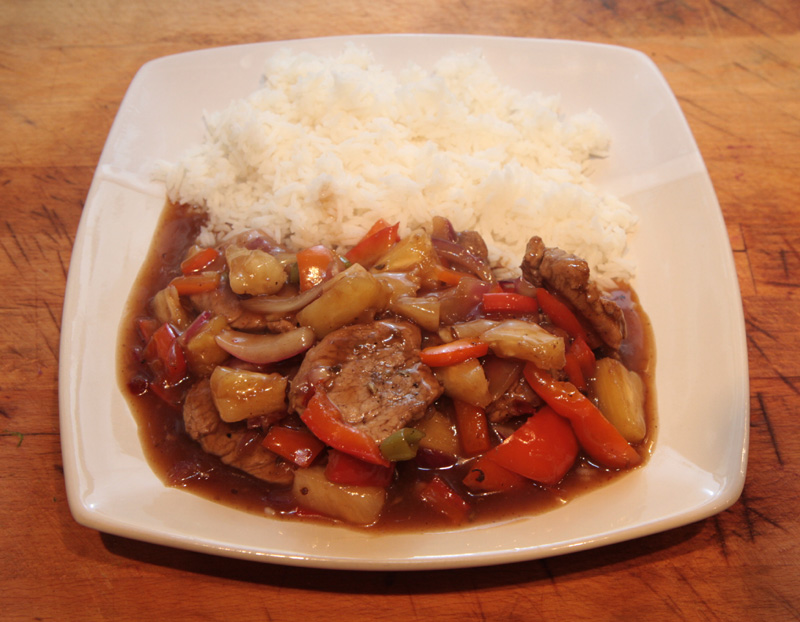
Prepare Instant Rice According to Directions. I use a rice cooker, but you can use a microwave or stovetop. Whichever way suits you. In a small sauce pan mix ketchup, pineapple juice, and coconut aminos. You can also add powdered garlic and ginger for some extra flavor. Bring to a simmer and set aside. Slice pepper and onion into thin strips. Cook in a skillet or non stick pan over medium heat until they are just beginning to get tender. Increase heat to medium high and add beef. Cook to medium or medium well. Add pineapple at the end and just get everything to an even temperature. Serve over rice, garnished with sauce. The sauce probably makes enough for 2 or 3 servings. But the meat, vegetables, and rice can easily be scaled up for more people.
Cost: 2.95 Per Serving
Macros: 570 Calories (32P/45C/29F)
Summary
Both of these meals allow you to scale up or down the carb and protein to fit your individual macros, but are also easy for somebody who isn’t watching their nutrition as closely to enjoy the meal with you. Adjusting the servings will affect the price, and macros of course, but this should give you a pretty good idea of a starting point. All the ingredients were priced at my local Aldi Market. So there could be some variation. For the meat, I priced a 4 lb sirloin tip. It runs about 1.71 per serving, which is definitely on the high end for me. But the 4 lb roast makes 12 servings, which is hard to pass up for steak. You can substitute chicken or pork into either recipe.
With the new year upon us, many folks will be setting out to get in the best shape of their lives in 2024. The gym is often where people set their sights. At least once a week I see posts on other forums asking for folks to analyze their “plan” or to recommend a workout. So I wanted to take some time to provide a few pointers on what to look for when determining if a particular workout plan might be good for you. You can also use some of these tips to improve a plan you are building for yourself. Though, honestly, if there is anything new in this article, then you should not be making your own plan.
Max value nutrition is all about matching your actions to your goals. So, I place a particular emphasis on goal setting. Do you want to build muscle? Compete in a specific sport? Get stronger? Or generically just “get in shape”? One thing that I recommend is created a SMART Goal. Your goal should be specific, measurable, achievable, relevant, and time-bound.
Let’s look at a few examples of SMART fitness goals that you might set before heading to the gym. You might even set a few. A good plan can meet more than one goal. “By the end of the year I want to lose 15 lbs”, “By the end of the year I want to add 50 lbs to my bench press”, “By the end of the year I want 16″ biceps”. Each of these goals meets the SMART criteria, but would require a different approach in the gym to accomplish.
How do I know if my plan meets my goals?
Any time spent lifting weights will increase muscle mass and increase strength. Those goals go hand in hand. But some things can make a plan more optimal for one over the other.
Strength Optimized Training
When people talk about training for strength they are generally referring to increasing a one rep max for one or more specific lifts. People generally use the compound movements used in either powerlifting (back squat, bench, deadlift) or Olympic weightlifting (clean and jerk, snatch) as the yardstick, though it’s not uncommon to want to increase an overhead press or some variation like a front squat. These movements require coordination of multiple large muscle groups, and part of the process involves training your nervous system to have the ability to trigger as many muscle fibers as possible. Strength optimized training will focus in lower rep ranges and be centered around the main movements and accessories that directly impact those main movements.
Muscle Mass Optimized Training
Hypertrophy training is about building large muscles. Training that is optimized for building muscle mass will certainly have plenty of compound movements, but it will generally include much more single joint lifting, since the goal is a balanced appearance. For this reason, it’s also important to carefully analyze imbalances and alter your training to work on muscle groups that are lacking for you personally. Hypertrophy training generally focuses in higher rep ranges. The goal is to increase the total volume lifted in a session and balance that against fatigue to the nervous system.
Sport Specific Training
Finally, there is sport specific training. Maybe your goal is to compete in powerlifting, or strongman, or to run a marathon, or join a league rugby team. A sport specific training program should primarily contain movements that are specific to your sport, or at least mimic your sport very closely. Nothing an prepare you for overhead pressing a log better than overhead pressing a log. My personal experience is in strongman. My training is changed from contest to contest and includes training for the exact events in the next contest, plus supporting accessories, and general conditioning. I rarely bench press, because bench press isn’t something that is done at strongman competitions.
One of the common criticisms I see when folks ask to “Rate My Plan” is – “this isn’t a plan. This is just a list of exercises”. So what makes the difference between a plan and a list of exercises? Plans have goals. In strength training, we meet our goals with a progression. A progression is a schema for increasing the difficulty of a session over the span of many weeks, usually between 8 and 16. There are a few kinds of progression, but the two most often used are “Linear” and “Undulating”.
Linear Progression
A linear progression simply adds something at a regular interval. It could be weight or reps or a combination. Running plans might add distance or call for shorter distances at faster speeds. But, if you plotted the progression over time on a graphs, it would look like a line.
Undulating Progression
Undulating progression relies on working particular muscle groups in different styles from week to week. Week 1 of bench press might be light weight for many reps, week 2 could have me working at lower ranges with heavier weight, and week 3 would focus on speed and include work with bands or chains. Then after a 3 week cycle the weights for each style come up. Undulating progression allows for more recovery time since you are never working out with the same intensity two weeks in a row. Progress is slower, but also has less injury risk than a pure linear progression.
Exercise Selection
The specific lifts that make up your program are also key in determining if a program is right for you. Most plans will be built around 5 key lifts – Squat, Bench Press, Deadlift, Row, and Overhead Press. Together these lifts work nearly every muscle in your body. Or to put it in terms of the muscle groups, they are Legs, Chest, Lower Back, Upper Back, Shoulders. A workout plan should not have any gaps in working the major muscle groups, even if you aren’t doing these specific barbell exercises, you will likely do some machine assisted variation. Some advanced plans may work each of these groups 2 or more times per week.
Along with making sure all of your muscles are worked, it’s important to make sure you have access to all of the equipment needed. It is possible to substitute certain exercises to accommodate your equipment. But make sure that you choose the best possible substitution. Websites like Bodybuilder.com and ExRx.net have exercise libraries that can provide some guidance on substitutions. But, if you have to replace too much, it might be more worthwhile to find a different plan that meets your equipment constraints.
Finally, there are personal constraints to consider. I honestly believe that most people can perform the 5 main lifts with some resistance, even if it’s only a bodyweight variation. But, there are always exceptions. I would not advocate for people to do something like skip leg day on account of bad knees. But – it might be worth considering when making sure your goal is achievable. If you had a double knee replacement in November, you might not want to set a goal of a double bodyweight squat by the end of next year. And the plan you choose should reflect your personal constraints. If you do have a major health condition, consult with a physician and see how a plan might be modified to your specific needs.
One final piece that should be added into any program is a deload. Deload is usually a week of decreased intensity, load, and/or volume. Any kind of progression leads to accumulated fatigue on your muscles, joints, and nervous system. A deload is a vital reset period that will allow you to continue making progress. When looking at a plan, if it doesn’t have a specified deload period – keep looking!
Pivot Week
One alternative to a deload week is a pivot week. Pivot weeks are more rare in programs, but can provide similar value, particularly in more specialized programs. You might set a goal of increasing your back squat, and find a plan that is tailored for squat specialists. It may have a deload week, or it may have a pivot week. A pivot week would be a week where the focus is on something like bench press. This gives your legs time to recover, but may not include the drastic cut backs of a traditional deload.
Summary
Building workout plans is not easy, and unless you are particularly seasoned in the gym, you are likely going to get the most value by choosing a premade and well established plan. Before you choose a plan set a SMART Goal, so you know what you want to achieve and when. Look at the exercises and rep ranges to determine if a plan is more optimized for maximizing strength or maximizing muscle mass. Make sure there is some kind of progression. Progressions might not occur every week, but the end of a program should look different than the beginning as far as weights, reps, or both. Make sure that your plan has the right exercises for your goals, your equipment, and you. Finally, make sure the plan includes a deload or pivot week. Our time in the gym does not build muscle. In fact, you are spending all of that time damaging muscle tissues. When we rest our body has the opportunity to rebuild the tissue stronger, so that it can better withstand the forces you are asking of it. So rest is absolutely critical to success. Outside of this many of the differences in plans come down to personal preference. For myself, I prefer a 4 day split focusing on a different key movement each day. Many people I know use PPL (Push, Pull, Legs), or UL (Upper Body/Lower Body). Consistency and time are what make you successful, not which split you choose. If you haven’t already, check out my last article on how to determine of a nutrition plan is best for you. Biceps are built in the gym, but abs are built in the kitchen! Be sure to check out my homepage for more recipes, shopping list recommendations, and nutrition calculators as well.
One final note – this article is heavily skewed towards strength training and strength sports. But all of the principles can be applied to other types of athletic training as well. If you have any questions about how to adapt the ideas to another arena – drop comment and I’ll do my best to answer.
The New Year is here and for many that means New Year’s Resolutions. One in three people will set out to lose weight or improve their diet in 2024. A good many may set the goal of putting on more muscle, or getting a beach body. But, with so many option available (intermittent fasting, low carb, keto, Whole 30, and on and on and on and on), how do you select something that is the best for you?
Set Your Goals – Then Find a Plan That Supports Them
Here at Max Value Nutrition, the focus on is on performance based nutrition. We believe that the food that you eat should match the activities that you want to perform. But most people also have other goals. Whether you want to gain weight, lose fat, or pack on more muscle, your nutrition plan should support your goal. Make sure that the plan will provide you with enough energy and nutrients to fuel goals outside of the kitchen. I once tried intermittent fasting. But at the time I was also working out twice a day. Lifting in the morning and running in the evening. So I was under-fueled for gym sessions and then bloated and sluggish when it was time to run in the evenings. Had I switched the feeding window to the morning, then I would have had the opposite problem. No matter what, performance would have suffered. That’s not to say that intermittent fasting won’t work for you – but it did not match my goals, though I am confident that I would have lost weight if I could have stuck with it.
Do Not Deviate Too Much From How You Eat Now
For many of us, food is much more than just fuel. Food is a social and cultural. A nutrition plan that significantly shifts the way that you eat, even for a short span of time, could be unsustainable. You may see short term results, but if you are drawn back to your old eating habits, those results can evaporate as quickly as they come. Aim for a nutrition plan that allows you to start with how you currently eat, and makes small manageable modifications. Those small habits will add up quickly and will be easier to maintain.
Maintain Slow and Steady Progress
“If I am losing 1 pound per week on 1900 calories, how much can I lose with 1400 calories?”
“Extra cheese and double sausage on my pizza – it’s bulking season”
When you are trying to gain or lose weight, it can be tempting to jump into the deep end. Extreme nutrition leads to yo-yo success as best and eating disorders in the worst cases. Mark Bell says that losing weight should be like taking a bucket of sand from the beach. A slight increase in NEAT coupled with a slight decrease in calories leads to a reasonable calorie deficit that allows for maintainable weight loss. It will be slow, but it will not come with the diet fatigue and rebound that you’ll get from weeks and weeks of extreme eating followed by a refractory binge. For those on the bulk train – you want a majority of your gains to be muscle. While it is nearly impossible to eat a calorie surplus and not gain some fat, turning into Kirby can add a layer of fat that is difficult to lose when the time comes to trim down and show off the gains.
Know What To Do When You Reach Your Goal
So, you’ve been eating the Mediterranean Diet for 12 weeks, and you are down 10 lbs and feeling great. Now what? Do you go back to eating McDonald’s and gas station pizza? Are you prepared to eat fish and hummus for the rest of your days? You should look for a diet that has a plan for when you’ve reached your goal. When you lose or gain weight your Basal Metabolic Rate will change. So to maintain that weight, you will have to eat fewer calories than you were eating before. A good plan will have a reverse diet phase to help you figure out your maintenance levels and give you a strategy for maintaining it.
With a little planning and a little research, you are sure to find something that can provide you with lasting success. If you want to get started on your own journey today, check out our Nutrition Basics page, and check your own calorie and macro requirements on our Calculators Page. Utilize free resources like LoseIt! to help with calorie and macro management. Happy New Year and good luck! Check back next week for some tips on choosing an exercise plan.
I tend to plan my meals around protein. The first thing that I do is price check my options and build lunches and dinners with the protein as the star of the meal. Next I think about side dishes, which is usually just a basic vegetable, and then a carb. My go to carb sources are either instant rice, or classic bread and butter. I usually make 2-4 servings for dinner and then use the leftovers for lunch the next day, so this plan does have some duplicated meals. Consistency is one way to rein in tracking fatigue. You just have to plan once and then duplicate your success through the week. I would recommend checking out the Quick Guide – The Performance Plate, as well as the supplemental article on adapting the model to real world eating. All of the foods were priced at my local Aldi Market, though you can get similar prices at Wal-Mart or any other discount grocery store. The lone exception is the protein powder, which is available on Amazon. It is by far the best price for whey protein that I have found.
There is actually enough protein powder for 2-3 weeks. Be sure to check out the linked recipes. I’ll link more soon once I get them written up. As always with performance-based nutrition – keep your protein consistent and scale your carbs to your goals and level of activity. To lose weight make your carb portion 1/2 to 2/3 the size of your protein portion. To maintain make them about the same. If you are trying to put on muscle or had an especially intense workout then make your carb portion a little bigger than your protein portion. Check out maxvaluenutrition.com for more information on recipes, shopping lists, quick guides and more.
This is a simple recipe that is easy to scale and to modify. It comes out to about $1.10 per serving with the base recipe. If you can, skip the pre-packaged taco seasoning and season it yourself. This will let you control the amount of sodium going into the recipe. You can also substitute steak, ground beef, chicken thighs, or shrimp. If you opt for ground beef, choose at least 85% lean to match the nutritional profile of the ground turkey.
Cook defrosted ground turkey in a skillet or non stick pan. Drain and rinse the corn and black beans and add to the pan. Add cumin, garlic powder, and cayenne pepper to taste. Optionally add salt. Serve with flour tortillas. 1 lb of turkey should make about 4 servings with 30 grams of protein. Garnish with lettuce, tomato, cheese, and/or sour cream.
Nutrition Profile
Depending on your macros, goals, and energy expenditure for the day you may opt for no tortillas, or up to 2. If you need help determining your macros or energy expenditure, see our Calculators section!
Coconut Aminos are a liquid sauce similar to soy sauce. They are made from fermented coconut tree sap and sea salt. They can be used on their own or combined with other ingredients to make numerous familiar sauces that can liven up your meal plan for the week. They have a savory and slightly sweet flavor reminiscent of a mild soy sauce. There are a lot of claims about the health benefits of coconut aminos, but they have not been studied closely enough to give any weight to those claims. They do contain amino acids. See Nutrition Basics if you don’t know why that’s good. But, I have not been able to determine if it is in significant enough concentrations to worry about. The absolute biggest benefit of coconut aminos is that they contain 75-85% less sodium than traditional soy sauce! Click here for the best deal that I could find on a bottle or check out the Max Value Nutrition Shop. Plus it is SNAP/EBT Eligible.
Combine all ingredients in a small sauce pan. Set heat to medium low. Bring to a mild simmer, reduce heat if necessary. Stir often and cook for 5-7 minutes. Sauce may thicken as it cooks.
Combine all ingredients in a small sauce pan. Set heat to medium low. Bring to a mild simmer, reduce heat if necessary. Stir often and cook for 5-7 minutes. Sauce may thicken as it cooks.
Photo by Augustinus Martinus Noppu00e9 on Pexels.com
Preparation
Combine all ingredients in a small sauce pan. Set heat to medium low. Bring to a mild simmer, reduce heat if necessary. Stir often and cook until peanut butter is melted and smoothly incorporated. Sauce may thicken as it cooks, add milk to thin out as necessary.
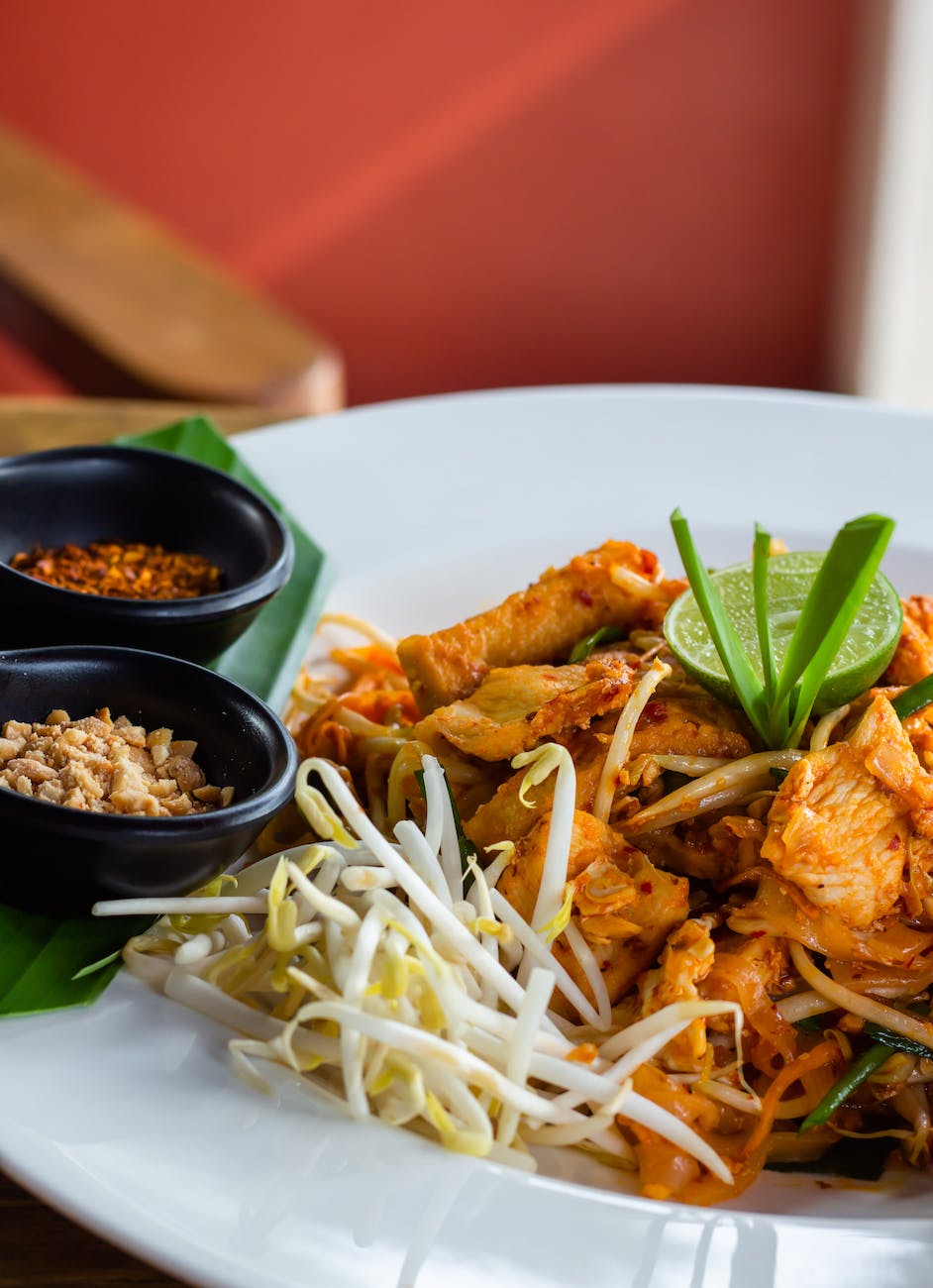
See my recipe for Ramen Pad Thai for an idea of what to do with this sauce!
Final Thoughts
None of these sauces are what I would call “healthy”, but they are an easy way to make your meal prep more interesting for relatively low health overhead. Most soy based sauces will have 3-4x the sodium. If you are cooking with a sauce like this, there is no real need to add any additional seasonings, particularly if they contain more fat or salt. Also, note the serving sizes. Is anybody going to actually use 1/12 of the recipe? Probably not, but you would use the same amount of a sauce that was worse for you and could really end up with your entire daily recommended serving of salt with dinner alone. So when you use these sauces, I would recommend using them on an entire week’s worth of prepped food to minimize the impact on any one meal.
Be sure to visit the Recipes page for more budget friendly meal ideas to maximize your performance! New recipes are being added daily.















 Maximum Value Nutrition