
Many people struggle to fit performance-based nutrition into their every day lives because it looks so different from how they’ve eaten in the past, or how their friends and family eat. Eating culture plays a big role in how successful you will be in integrating a new diet, regardless of your goals. The trick is to adapt slowly, and always look for areas of improvement, without beating yourself up about not being perfect. The best nutrition program is the one you stick to consistently. (PS – if you’re not sure where to start – read the article on Nutrition Basics.)
Start with the Ideal
If you haven’t checked out The Performance Plate already, I encourage you to give it a look. This guide represents an idealized version of how to prioritize putting food on your plate, but honestly, it is not sustainable for many people. However, you can still apply the principles regardless of the food available in any given situation. You just have to understand how certain foods fit into your personal protein, fat, and carb goals, and strive for the proper balance. (Need to figure out your goals? Check out the Calculators Page)
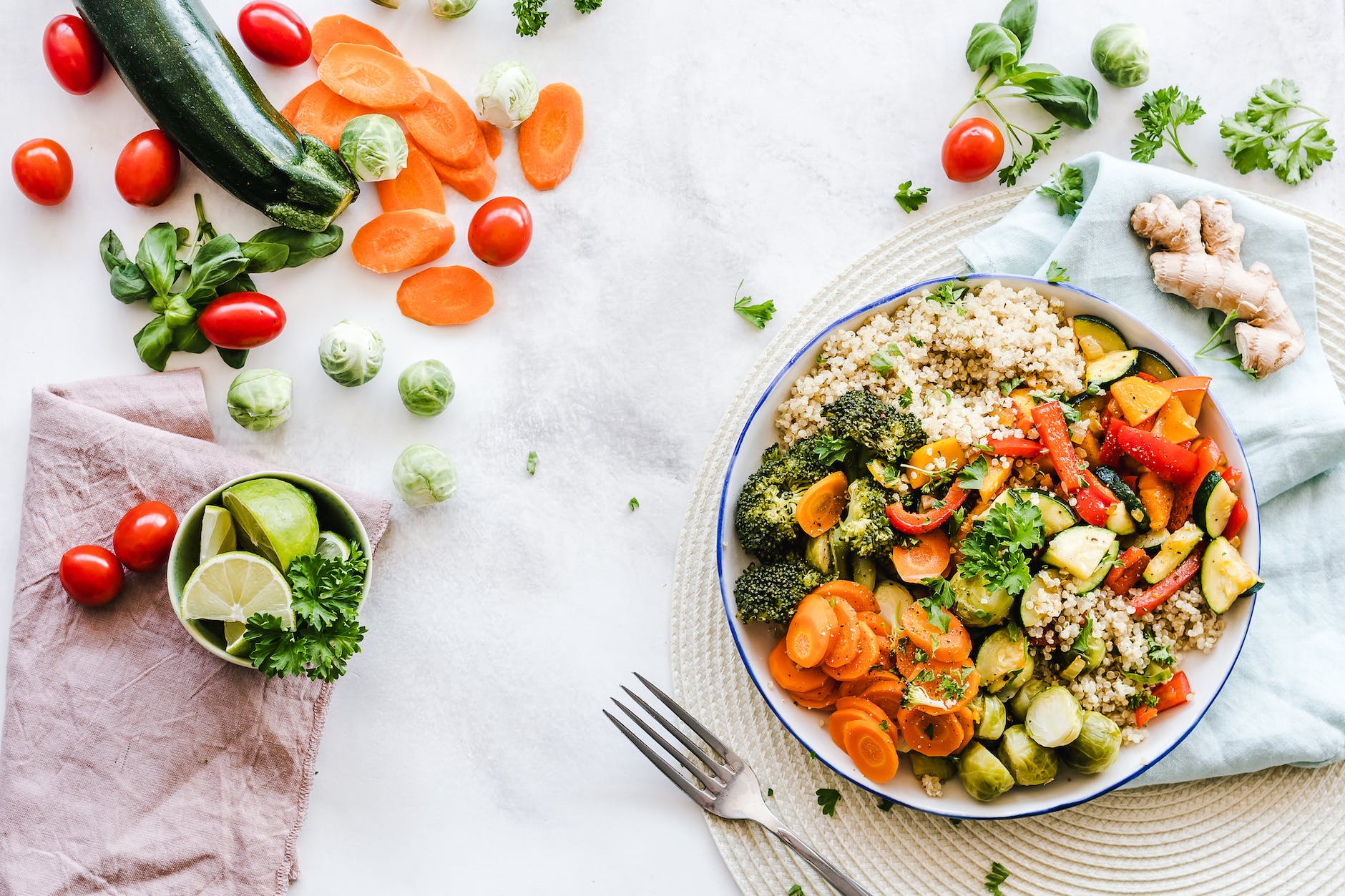
Looks delicious, but good luck eating that every day
A Real World Example
Let’s look at an example – a Super Bowl Party. You could bring your own Tupperware container of prepped food, and avoid the provided spread. Some people have the self control for this, many do not. What I prefer to do, is adapt the Performance Plate model to the available foods. I might put chicken wings on my plate first to make sure that I am hitting my protein goal. I will load up on veggies and dip. Yes, I actually eat the celery that comes with an order of wings. And finally, I can finish off my plate with some carbs. If I am feeling good this could be some crackers, but more likely for me, it will be a cookie or a slice of pizza. By loading my protein and vegetables first, I don’t have the appetite for multiple slices of pizza, which will be laden with extra fats and salt.
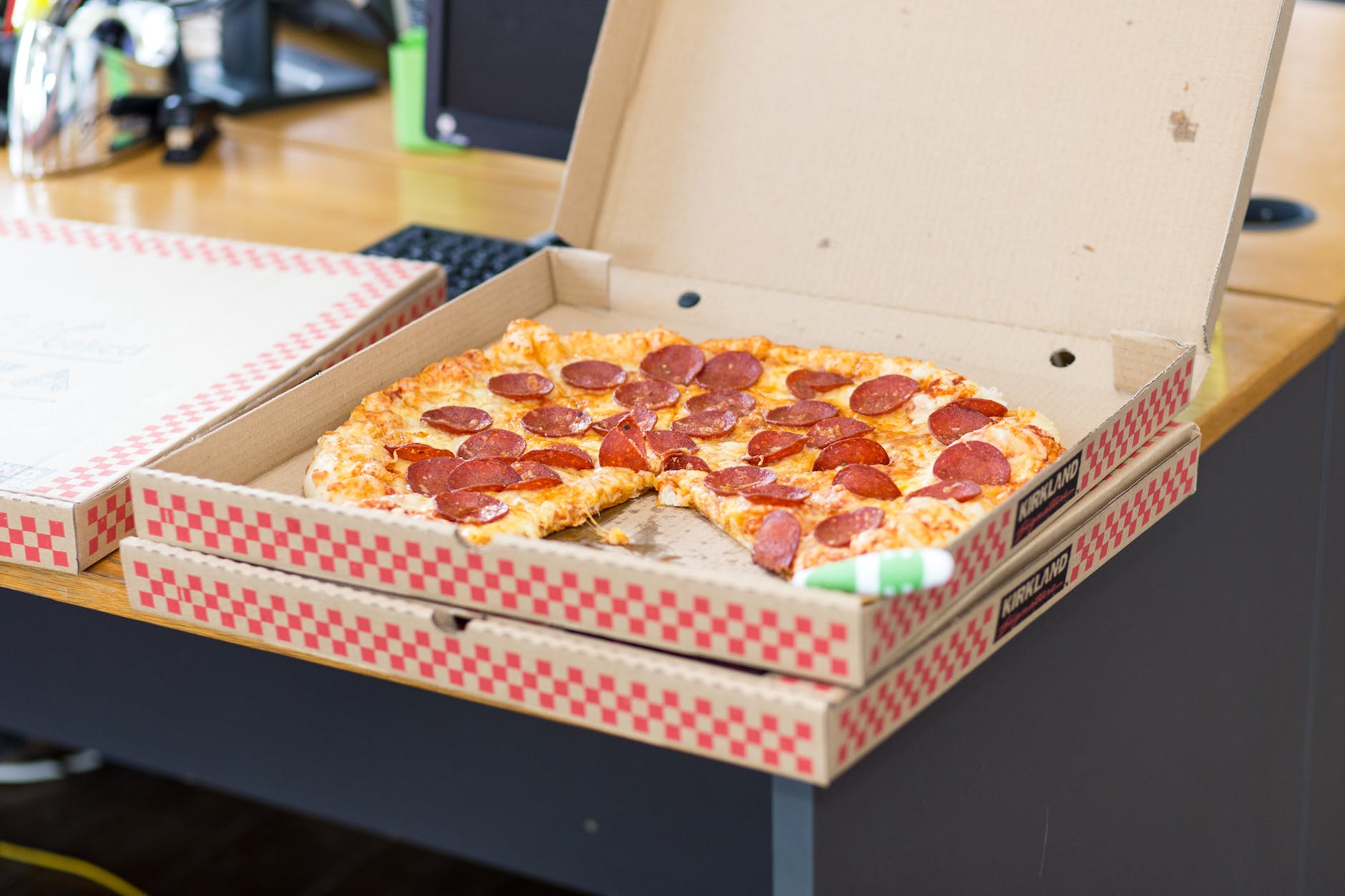
Technically pepperoni count as protein, but trust me, it ain’t enough.
A Few Extra Tips
When you are first getting started, you can use this method for many food situations. Commonly available protein sources to start your meal might include eggs, a glass of milk or a protein shake, or a cup of yogurt. If fresh vegetables aren’t available, check for fruit. Many coffee shops and even gas stations will have a basket of apples, oranges, or bananas. Eat carbohydrates in proportion to your activities. Pre-made foods will often contain enough fats, that you don’t have to worry about adding extra. But something inherently fatty (like doughnuts) could take up the entire fat portion of a meal, so be wary of adding butter or sauces on top of that.
Key Takeaways
- Small changes are better than no changes
- Load up on proteins and veggies first to fill your plate and leave less room for indulgences
- Indulge! In Moderation
 Maximum Value Nutrition
One thought on “Adapting Your Nutritional Goals To Every Day Eating”